Wasteless Week: Changing our habits, one plate at a time 
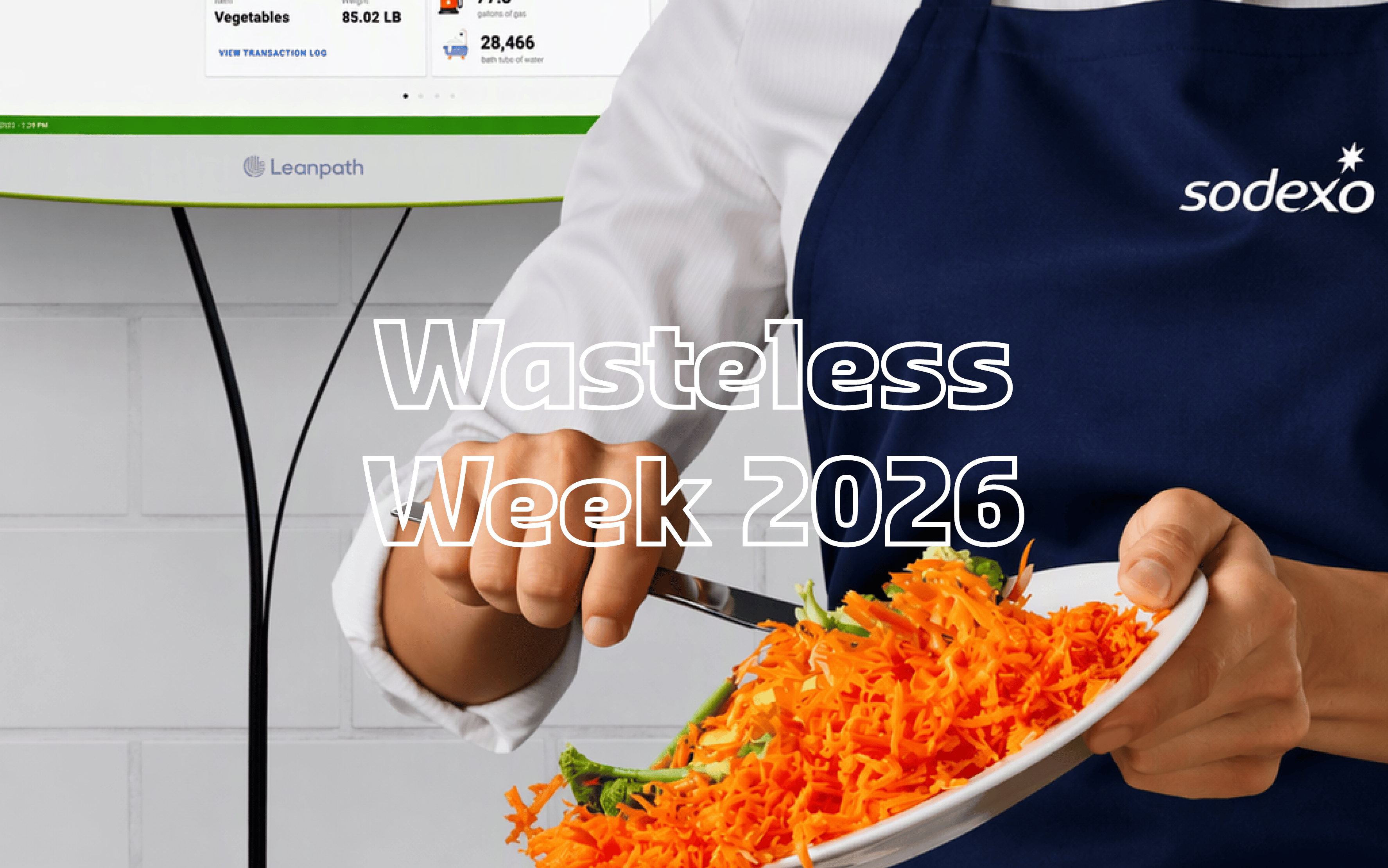
To mark Wasteless Week, our teams got involved across our restaurants to raise awareness among children and adults alike about food waste. The programme included simple actions, awareness-raising initiatives and innovation, all aimed at helping us better understand our waste and take concrete action.
Raising awareness from an early age 

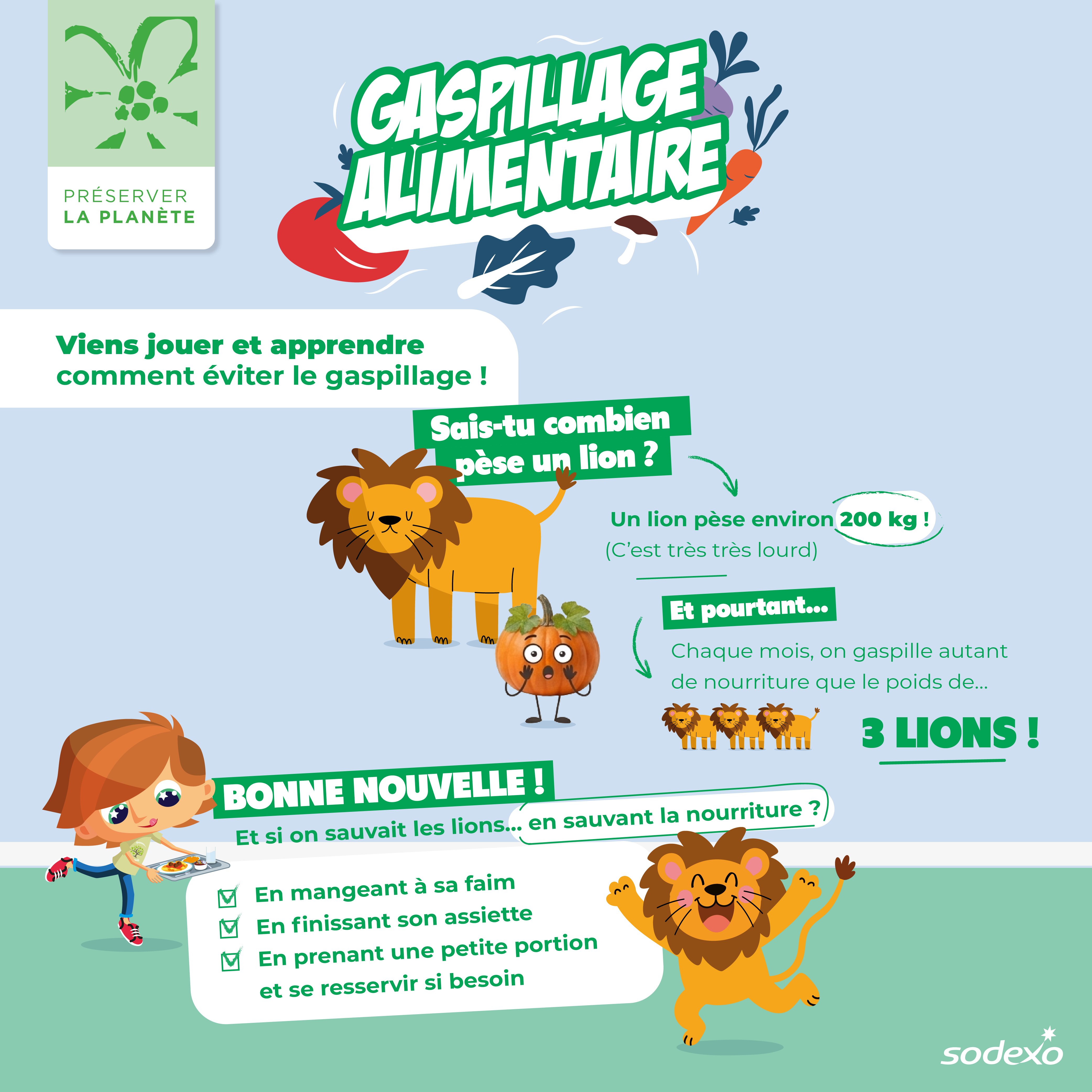
In our school restaurants, tackling food waste is first and foremost about making learning fun and engaging.
Throughout the week, children were encouraged to think about what they put on their plates and what they leave behind. The goal? To encourage them to adjust their portion to their appetite and gradually develop good habits.

Weighing food leftovers helped make food waste more tangible and allowed us to track how it changed over the course of the week. Because learning to waste less today also means building good habits for tomorrow.

A portion for every appetite 

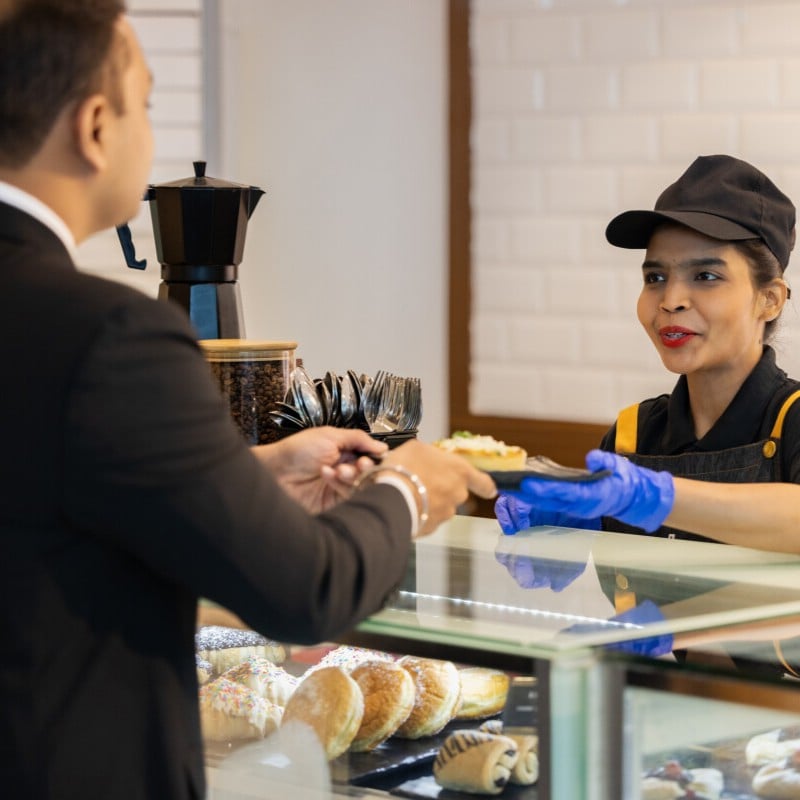
For adults, the ambition is the same: to change habits through simple actions that everyone can adopt.
Small or big appetite? The first step is to listen to yourself and adjust your portion accordingly. The initiative also includes discovering food-waste-fighting recipes and sorting waste into the appropriate containers so that it can be recovered and given a second life.

These actions may seem small, but when repeated every day and adopted by as many people as possible, they can make a real difference.

Measuring to better understand and improve 

Beyond raising awareness, technology can also help us better understand what ends up in our bins, track changes over time and identify where action can have the greatest impact.
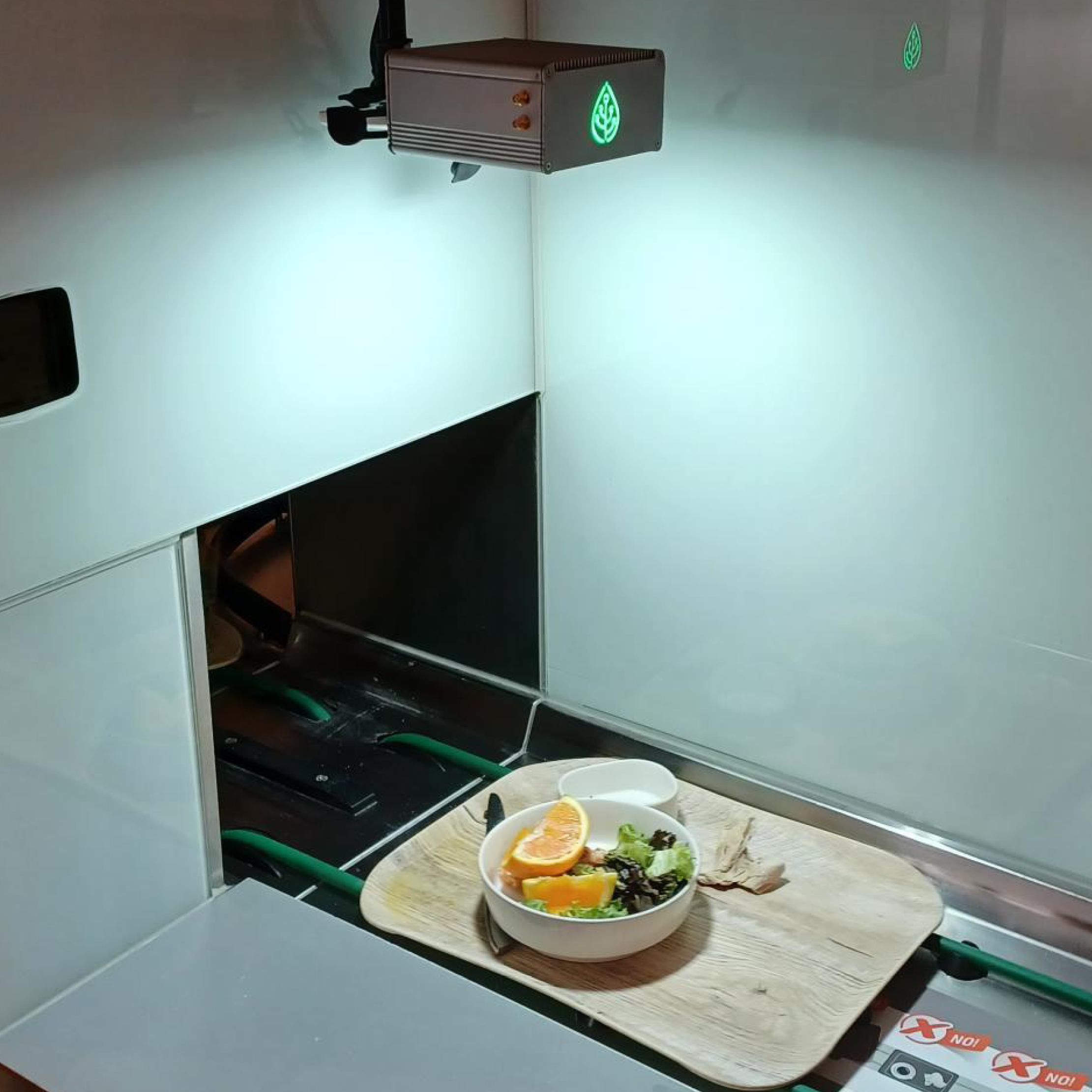
This is the role of Kikleo, a system that uses artificial intelligence to analyse food left on plates when trays are returned and estimate its weight.

In 67% of our restaurants, representing 90% of our food purchases, WasteWatch by Leanpath scales are also used to weigh and record food waste. This data enables us to monitor the quantities being wasted and better identify opportunities for improvement.

Two approaches serving the same ambition: measuring food waste more accurately so that we can better understand it and take action where it matters most.
The information collected helps us improve our practices and measure our progress over time.

Changing our habits, together 

Reducing food waste is not something that happens only in the kitchen. It involves our teams and every guest, whether they are choosing a portion, finishing what is on their plate or sorting their waste.

Wasteless Week is an opportunity to show that everyone has a role to play. One plate at a time, one meal at a time, these small changes are helping us make food service more responsible every day.