People
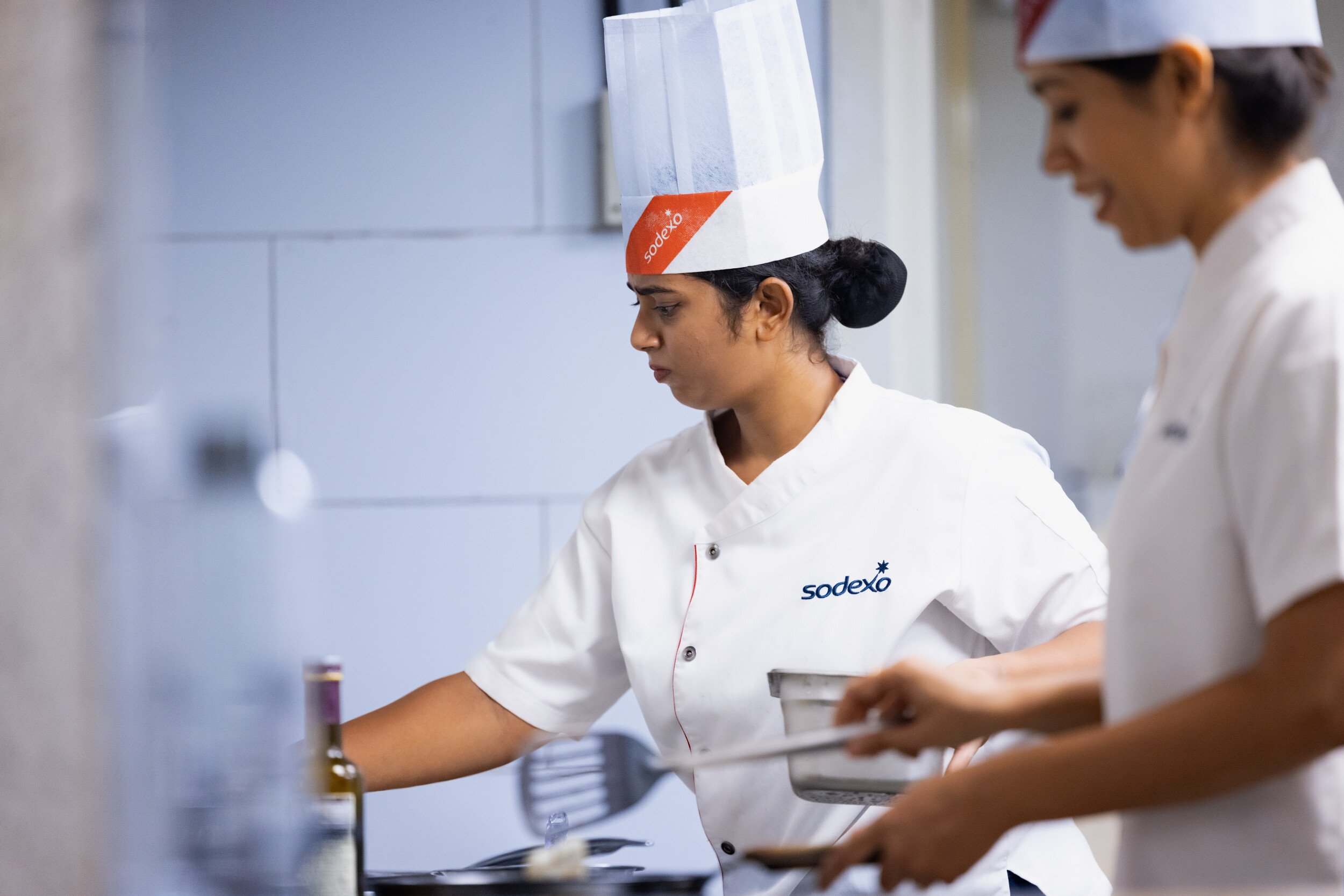
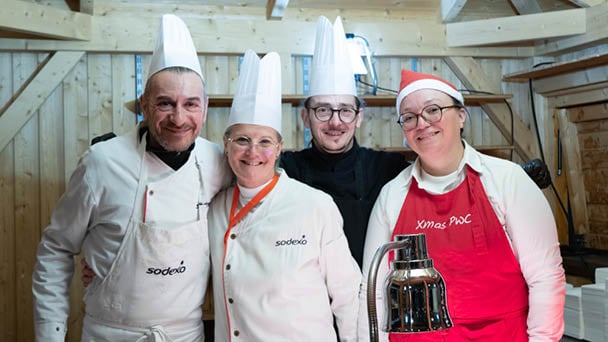
Our 2 500 employees are our first social impact. Their health, safety, well-being and development is the driving force behind our sustainable impact.
Sustainability is built through tangible, everyday actions delivered consistently over time by every employee on every site.
Embedding sustainability in everything we do, driving measurable and meaningful results for clients, consumers, and communities. This is what we call business sustainability at Sodexo.
Our Better Tomorrow 2028 (BT28) roadmap represents the next phase in our sustainability journey – one that began with our creation in 1966 and has made Sodexo a true pioneer in this space.
As a global leader in food services, we know how critical this mission is to the future of food systems and embrace our responsibility with determination.
Better Tomorrow 2025 allowed us to turn ambition into measurable results – on every site and across every plate.
BT28 will enable us to go further and faster over the next three years.
Everything we do starts with our people, for the benefit of our clients and ultimately has a positive impact on the planet and society. Therefore, BT28 is built on three pillars - People, Clients, and Planet & Society - each supported by tangible and measurable commitments:
The health, safety and well-being of our employees are central to our positive impact. We are committed to supporting their professional growth and development through:
Reducing our lost time injury rate (LTIR) to 0.3 and achieving a total recordable injury and illness rate (TRCR) of 1.3 in 2028.
Providing 15 hours of training per year to all employees worldwide by 2028.
Continuing to roll out Vita, Sodexo’s employee benefits program, establishing a global minimum standard for all employees.
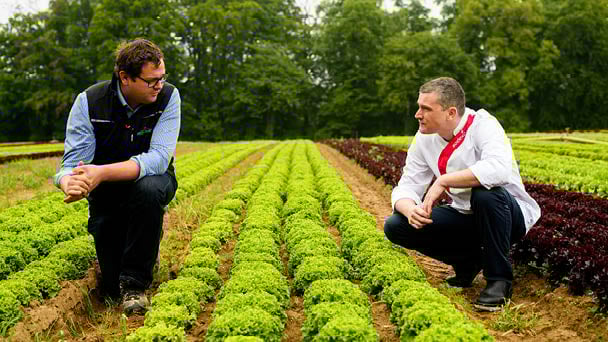
We are accelerating our commitment to the transition to more sustainable food by: enhancing taste, improving consumer health, and reducing the carbon footprint of our menus. Our chefs and consumers are empowered with the tools to:
Measuring the carbon impact of our dishes using Eaternity.
Promoting main courses that are ‘good for the planet’, meaning they have a carbon impact of less than 0.9 kg CO2 per dish.
We’ll achieve this target by favoring animal proteins with a lower carbon impact as well as increasing the share of vegetables and legumes on the plate.
As a responsible company, we play a major role in limiting waste and preserving natural resources. We are reinforcing our efforts to combat food waste and efficiently manage resources such as water and electricity by:
Continuing deployment of our WasteWatch program at new sites and achieving a 50% reduction in food waste.
Continuing to reduce the impact of our operations on water consumption in partnership with WWF.
We recognize the critical link between our value chain and the preservation and restoration of nature. In 2017, we committed to reduce our carbon emissions by 34% by 2025 and in 2023 we were among the first companies to have our 2040 Net Zero target validated by the Science Based Targets initiative (SBTi) as being aligned with the 1.5°C trajectory of the Paris Agreement.
Through BT28 we’ll continue to work towards our 2040 Net Zero target and track our progress on Scope 1, 2, and 3 emissions reductions. By tracking our progress, we will identify the most effective ways to reduce the impact of our activities on the planet and climate
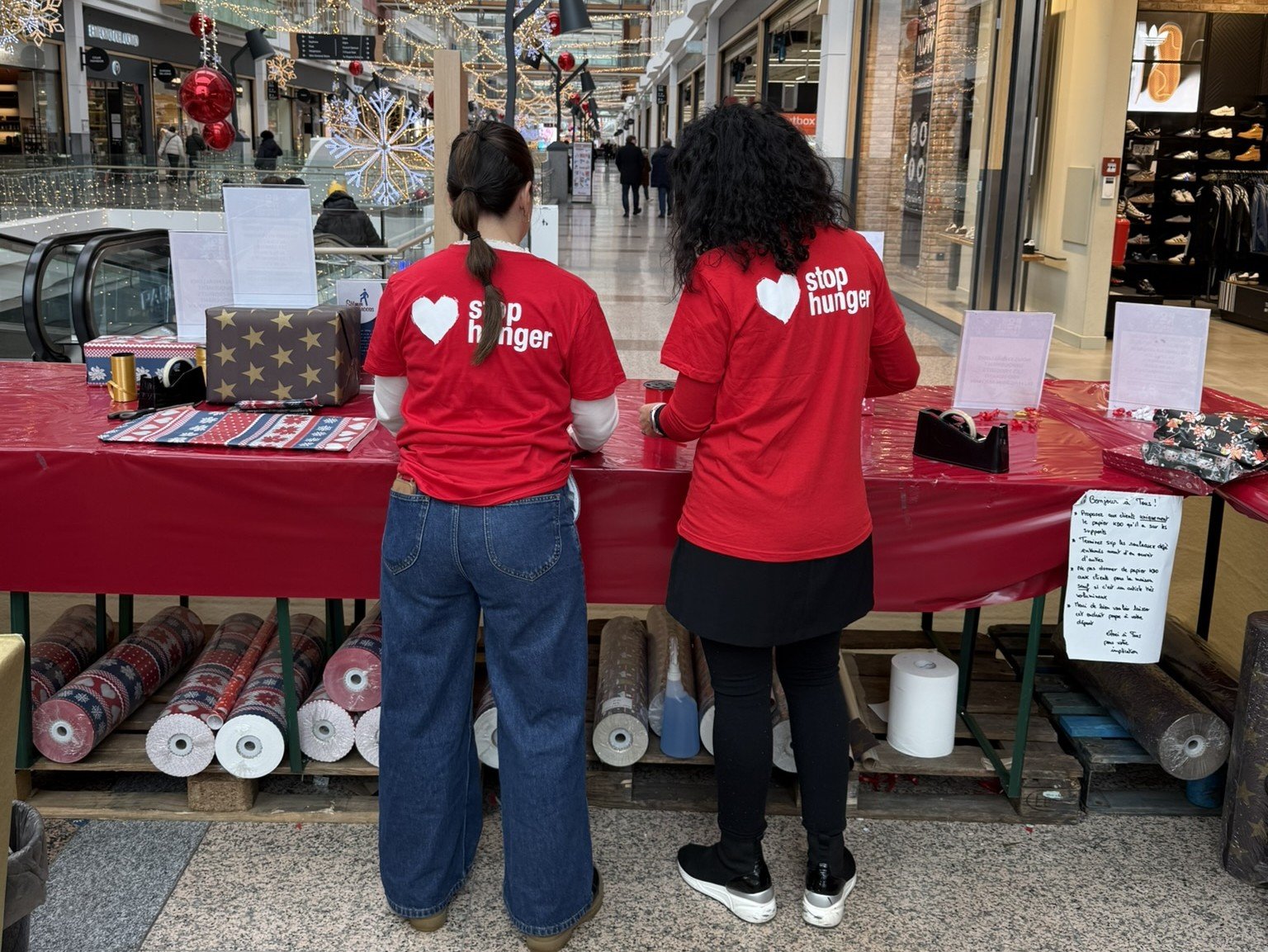
We’ve been committed to our unique philanthropic cause – Stop Hunger – since 1996. Stop Hunger has a worldwide impact through emergency relief, food assistance, and programs that empower women and younger generations. More than 100 million people have benefited from the work of Stop Hunger over the past decade.
We will continue to support Stop Hunger through BT28 and track the number of communities supported through Stop Hunger’s initiatives.
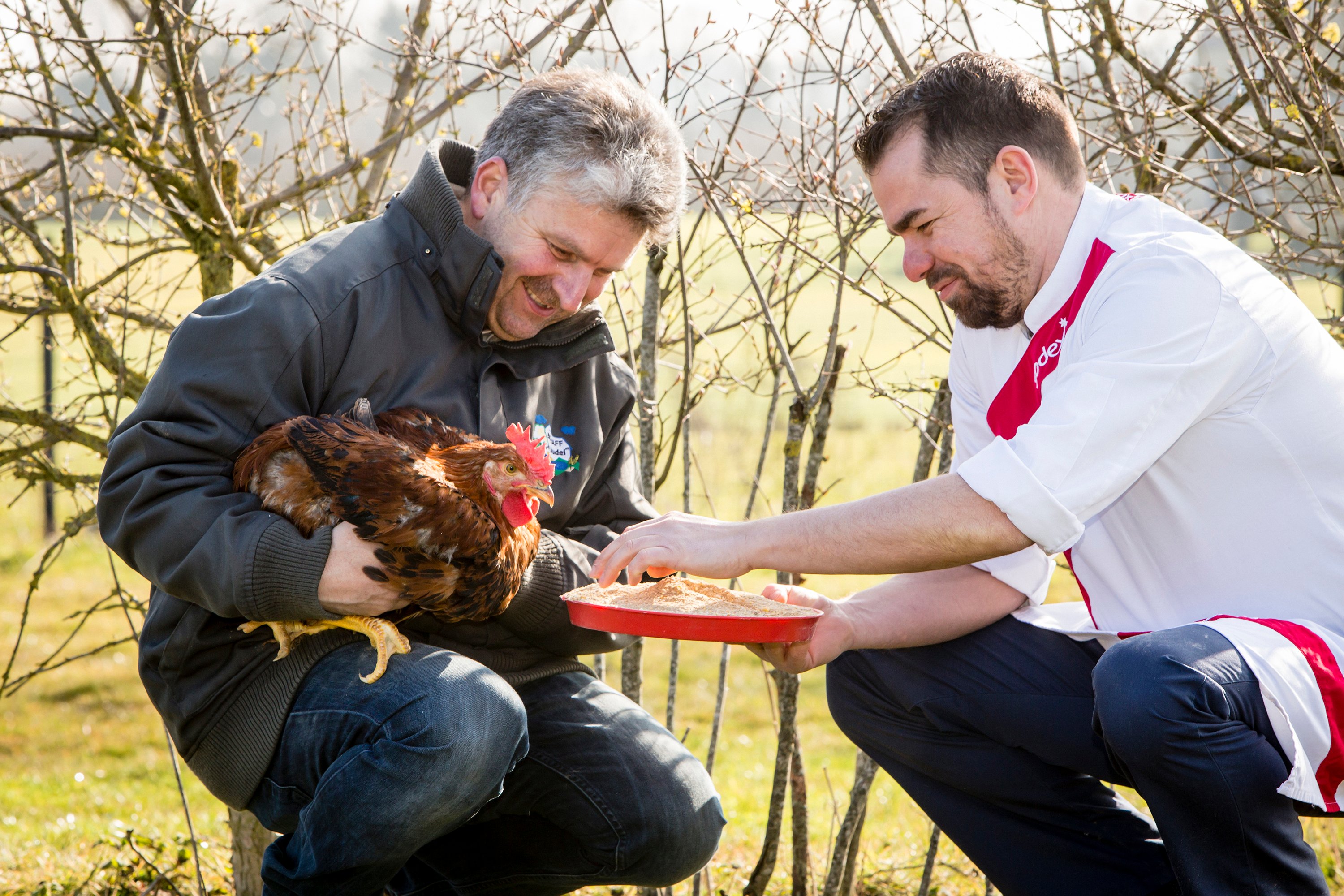
The Corporate Responsibility report presents the programs and actions implemented throughout 2023. Responsible growth that respects the planet, people and animals.